

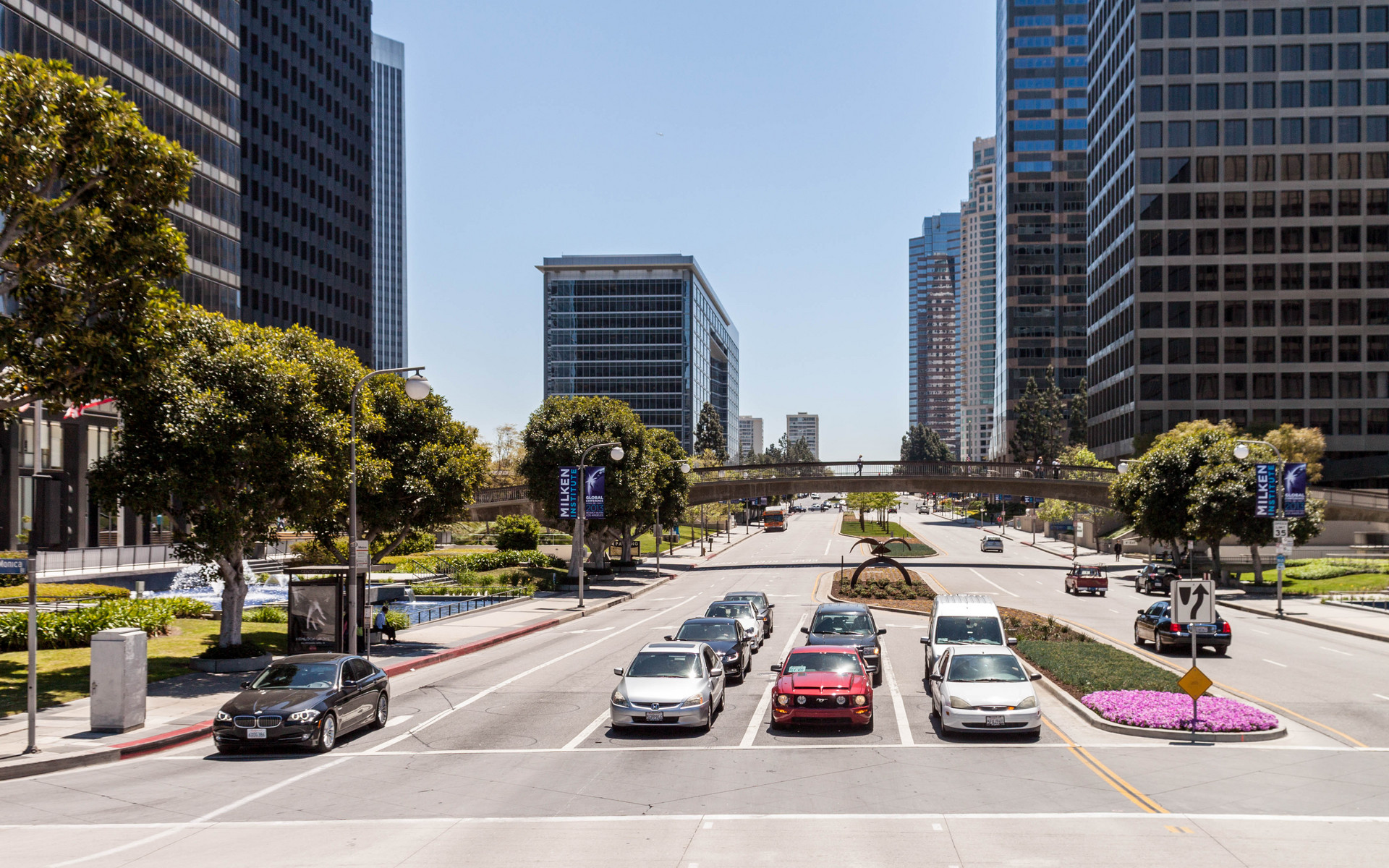
As the 2025 holiday travel season approaches, agencies prepare for an unprecedented surge in road traffic, with AAA projecting 122.4 million Americans traveling mostly by personal vehicles. This surge underscores the challenge of maintaining resilient and efficient urban mobility during peak demand. Traditional congestion management methods are often insufficient, relying on outdated surveys rather than real-time data.
Modern approaches, such as those pioneered by Ticon using TrafficZoom and TrafficScope toolsets, employ high granularity data and multidimensional traffic maps down to 35-foot road segments covering over 97% of urban roads. Data sources include permanent and portable sensors, GPS, connected vehicles, and event feeds combined with advanced algorithms. This approach reliably identifies true network bottlenecks and their timing.
For example, in a study of 126 intersections across nine states analyzing 200 million datapoints, a drop of nearly 50% in vehicle counts during COVID did not uniformly improve traffic flow, demonstrating the complexity of congestion.
Ticon’s analysis distinguishes delays caused by infrastructure limits from those due to inefficient signal control. High-resolution time-series data helps target interventions like intelligent transportation system (ITS) based signal timing optimizations, which can reduce travel delays by up to 50% without expensive new construction.
Automated rankings based on Level of Service reveal the highest impact bottlenecks, e.g., a congested 2-mile arterial causing annual economic losses over $900,000 in a mid-size city. AI-driven disaggregation of speed and volume patterns clarifies whether congestion stems from recurring demand or external disruptions such as construction or signal cycle mismatches.
Ticon’s workflow enables precise identification and quantification of critical road bottlenecks, prioritizes targeted interventions, measures ITS performance through continuous monitoring, and optimizes investment strategies by focusing on hotspots and operational enhancements. Adaptive signal controls informed by these insights outperform generic upgrades, as shown by Atlanta’s smart corridor project.
In summary, advanced, high-resolution analytics provide a proactive urban mobility management approach, allowing operators to detect, understand, and mitigate bottlenecks effectively. This not only improves travel times and city livability during holiday peaks but also builds a foundation for resilient, economically robust urban transportation systems.


Join the network to access Ticon case studies and to receive Ticon newsletters
@2023 Ticon


