

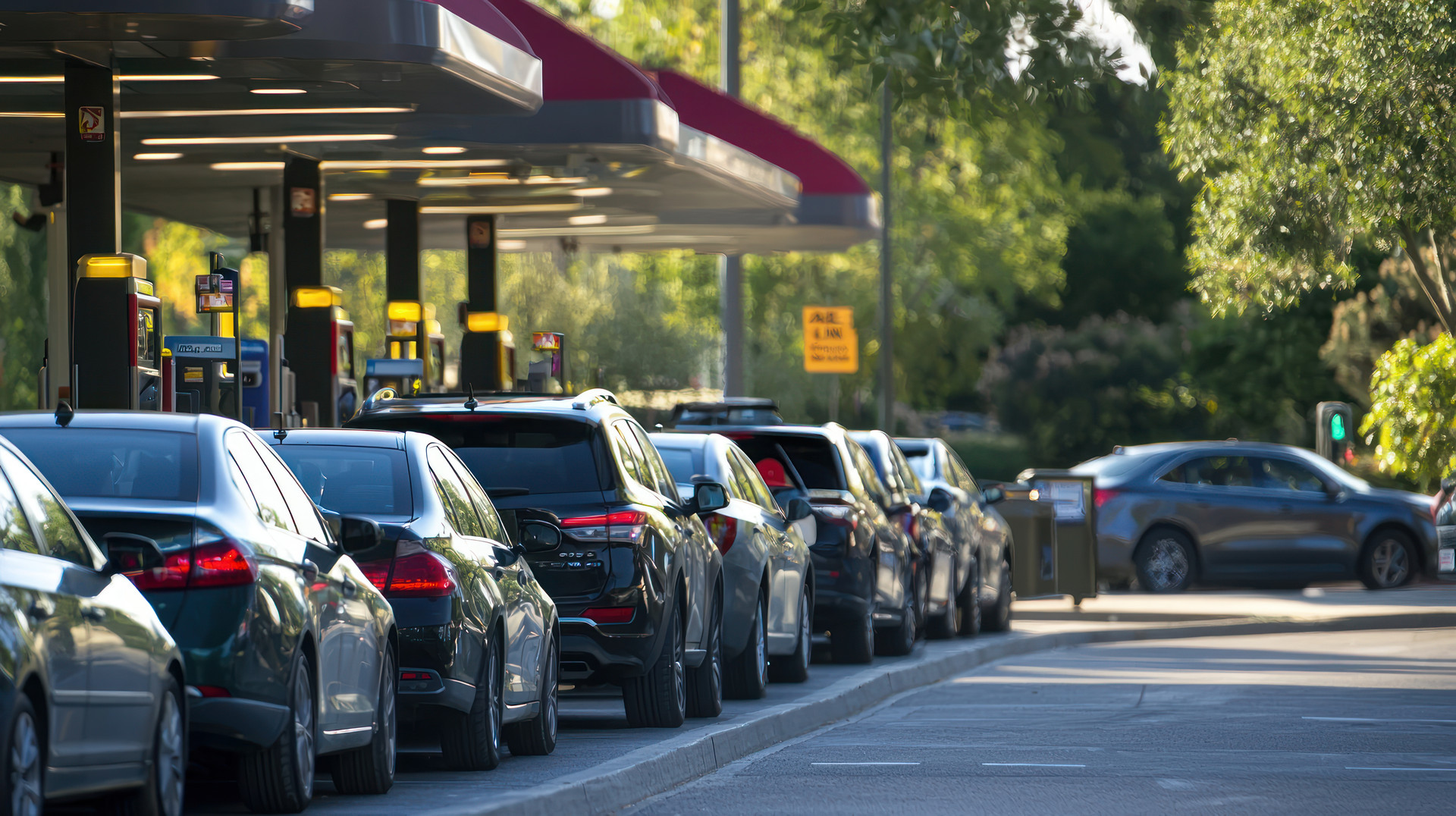
As highlighted in the latest TomTom 2025 Traffic Index, major cities continue to experience persistent traffic congestion despite shifts in commuter patterns due to remote work and climate disruptions. This underscores the need for precise, adaptive analytics to identify and address urban traffic bottlenecks effectively. Ticon's approach involves high-resolution, areal analytics and diverse data sources covering over 97% of functional road classes with granular temporal and spatial detail. Their proprietary algorithms generate accurate traffic volume and speed profiles, enabling hotspot detection on main and local roads alike. During the COVID-19 pandemic, even significant traffic flow reductions resulted in limited delay improvements, revealing inefficiencies in traffic management and signal control as key contributors to congestion. Targeted interventions such as adaptive signal optimization, intersection redesign, and ITS deployment have shown considerable improvements in mobility, achieving increased speeds and reduced delays. Ticon’s analytics assist cities in prioritizing projects based on quantitative metrics, measuring intervention efficacy through before-and-after analyses, and planning closed-loop mobility improvements to adapt to evolving conditions. As urban environments face dynamic changes, continuous, evidence-based measurement and intervention are essential for effective congestion management and sustainable urban mobility.


Join the network to access Ticon case studies and to receive Ticon newsletters
@2023 Ticon


