

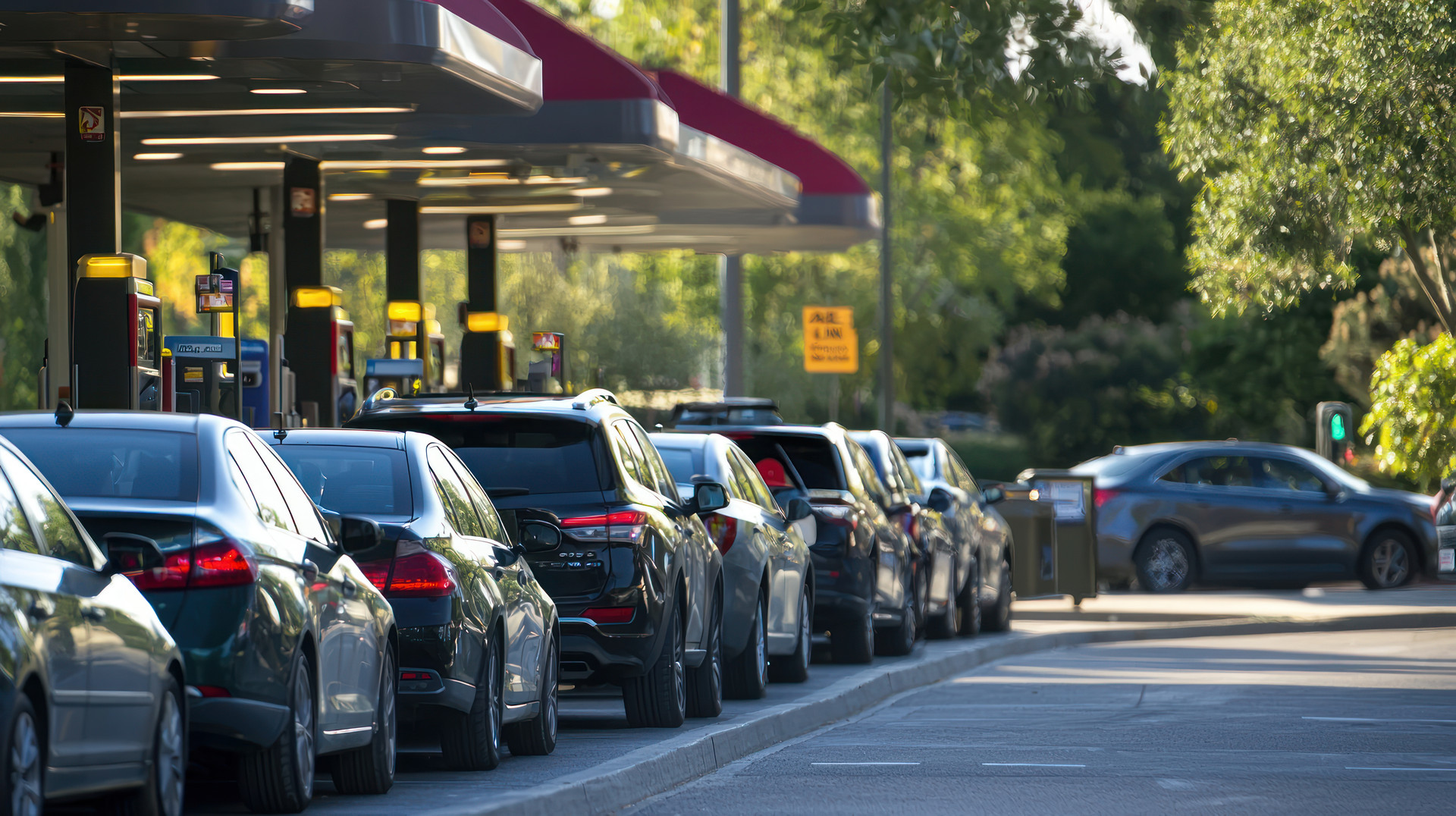
As urban transformation accelerates with leaders like Jonathan Rewers advancing integrated mobility strategies and cities investing in automated enforcement, precise bottleneck identification in road networks is crucial. Congestion costs exceed $87 billion annually in the US, highlighting the economic impact and traffic management challenges.
Traditional congestion measures like access restrictions often underperform. Research monitoring 126 intersections across nine US states found travel delays decrease far less than traffic volumes, even with nearly 50% volume reductions. Effective congestion mitigation depends on organizational and control quality, not just volume reduction.
Ticon’s TrafficZoom™ platform offers high-resolution, city-wide traffic mapping using segment width and color for traffic volume and speed, covering all road classes. It enables visualization and ranking of bottlenecks based on travel delay, capacity utilization, and Level of Service.
The workflow combines TrafficZoom™ and TrafficScope™ to:
Fieldwork shows delay reductions up to 50% on bottlenecked corridors, validated by large datasets and observation.
Ticon’s data platform covers over 97% of US public roads with 100% temporal coverage, integrating fixed detectors, GPS, connected vehicles, GIS, and external sources. AADT estimates have median average percentage error below 5% with 90% confidence within 20% accuracy. This enables tracking localized bottlenecks by time and conditions.
Contextual analysis distinguishes structural from operational bottlenecks. Automated reports help municipal departments prioritize mobility and safety interventions.
Cities can shift from generic restrictions to targeted upgrades, measure intervention impacts with before/after analytics, build public trust via transparent metrics, and adapt to evolving needs integrating logistics and transit without sacrificing reliability.
Future urban mobility requires translating strategic ambitions into operational precision. Ticon’s analytics empower cities to address congestion and safety at their source, ensuring investments yield network-wide benefits and resilient, livable urban environments.
References: G. Brodski et al., “Impact of Traffic Volume Variations on Travel Delays as Illustrated by Pandemic Period Data” (2022); Hanna Hranich, “Traffic congestion - what works, what doesn't” (Ticon white paper, 2023).


Join the network to access Ticon case studies and to receive Ticon newsletters
@2023 Ticon


